English
 Español
 Français
 Pусский
 ربى
ربى 
You’re specifying bathroom accessories for a hotel renovation, or maybe you manage a multi-unit residential building. Either way, you’ve seen the problem: floor-mounted toilet brush holders collect dirty water around the base, the plastic ones crack after a year, and cleaning staff spend too much time scrubbing residue off the holder itself. The question isn’t whether a toilet brush holder looks good on a spec sheet—it’s whether it actually works in real-world conditions. Does it install without drilling nightmares? Does it stay clean without constant attention? In this guide, we’ll walk through everything that matters: materials that hold up to moisture, brush heads that don’t trap bacteria, wall-mounted designs that save space, and the hidden features that separate a two-year solution from a ten-year one. No fluff, just practical answers.
What makes a toilet brush holder truly easy to maintain?
Let’s start with the biggest day-to-day headache: cleaning the holder itself. You’d think the brush is the dirty part, but in reality, the holder collects just as much grime over time—especially if water pools at the bottom.
The first thing to look for is ventilation. A solid cup with no airflow keeps the brush head damp, which encourages mold and odor. That’s why better designs include ventilation holes or slotted bases that allow air to circulate and moisture to evaporate. Some manufacturers go further with a floating drain design and hidden air vents that accelerate drying.
The second feature is a removable drip tray or liner. When water drips off the brush head after cleaning, it needs somewhere to go. A holder with a built-in drip tray catches that runoff, and if the tray is removable, you can empty and rinse it without taking apart the whole unit. Some designs use a plastic liner that collects drips and can be emptied conveniently. Without this feature, the base of the holder becomes a stagnant water reservoir—and that’s where bacteria thrive.
Which material stands up to daily bathroom moisture?
Not all materials handle humidity equally. Here’s how the common options stack up:
-
304 stainless steel: The gold standard. It’s rust-resistant, non-porous, and easy to disinfect. A high-quality stainless steel holder will last 5–10 years in a commercial bathroom without visible degradation.
-
201 stainless steel: A more economical option with slightly lower corrosion resistance. Fine for residential use or lower-humidity environments, but for commercial settings, 304 is worth the upgrade.
-
Space aluminum: Lightweight and corrosion-resistant, but not as durable as stainless steel under heavy use.
-
Metal with glass or ceramic: These combinations look elegant—glass adds a premium feel, ceramic offers a classic touch. However, ceramic can chip or break if knocked over, and glass shows water spots more visibly.
-
Plastic (ABS, PP): Affordable and lightweight, with good moisture resistance. But over time, cheaper plastics may become brittle or develop cracks.
Q: For a hotel bathroom with daily cleaning, which material should I choose?
A: 304 stainless steel, hands down. It handles bleach wipes, resists hard water stains, and doesn’t degrade under constant moisture exposure. The upfront cost is higher, but you’ll replace it maybe once a decade instead of every two years.
Wall-mounted vs floor-standing – which installs easier and works better?
This is where the choice gets practical. Both installation methods have their place, but they serve different needs.
Wall-mounted toilet brush holders attach directly to the wall with screws or adhesive. They keep the brush off the floor, which means no water pooling around the base and no tripping hazard for cleaning staff. The bathroom floor stays clearer, which makes mopping faster. Wall-mounted models also come with leak-proof bases that prevent drips from reaching the wall.
The trade-off? Installation requires drilling into tile or wall material. In a renovation, that’s fine—you’re already working with a contractor. But for retrofitting occupied units, it’s more disruptive.
Floor-standing toilet brush holders sit on the ground, usually with a weighted or non-slip base to prevent tipping. They’re easier to install—just place them where you want—and they can be moved if the bathroom layout changes. However, they collect dust and water around the perimeter, and the base can become a hiding spot for grime.
Here’s a comparison table to help you decide:
| Feature | Wall-Mounted | Floor-Standing |
|---|---|---|
| Installation difficulty | Moderate (drilling) | None (place and use) |
| Floor space usage | Frees up floor space | Takes floor footprint |
| Water pooling risk | Minimal (drains away) | Can pool around base |
| Cleaning around unit | Easy (mop underneath) | Must move unit to clean |
| Stability | Fixed to wall | Can tip if bumped |
| Best for | Hotels, commercial, small bathrooms | Residential, rental properties |
Q: Can I install a wall-mounted holder on tile without cracking it?
A: Yes, if you use the right tools. A diamond-tipped drill bit for tile and a hammer drill on a low speed setting will get through without damage. Many holders come with adhesive mounting alternatives for tenants who can’t drill—but adhesive won’t hold as securely over the long term, especially in humid bathrooms.
Does leak-proof design actually prevent water damage?
Here’s a scenario you’ve probably encountered: A guest or tenant uses the toilet brush, puts it back in the holder while it’s still dripping, and over time, water seeps through the bottom of the holder, leaving a permanent stain on the floor or a bubbling spot on the wall. That’s not just unsightly—it’s a maintenance cost.
A true leak-proof design addresses this in two ways. First, the holder has a sealed or gasketed bottom that prevents water from escaping the cup. Second, it incorporates a drainage system that lets water collect in a drip tray rather than sitting directly on the holder’s interior surface. Some premium designs use a diatomaceous earth mat inside the holder to absorb excess moisture and promote fast evaporation.
When you’re evaluating a supplier’s leak-proof claims, ask for specifics. Is the base one solid piece, or is there a seam where water could escape? Is the drip tray removable for cleaning? Does the design include ventilation to dry the brush head? The best holders combine a leak-proof structure with ventilation—water stays inside, but air still flows.
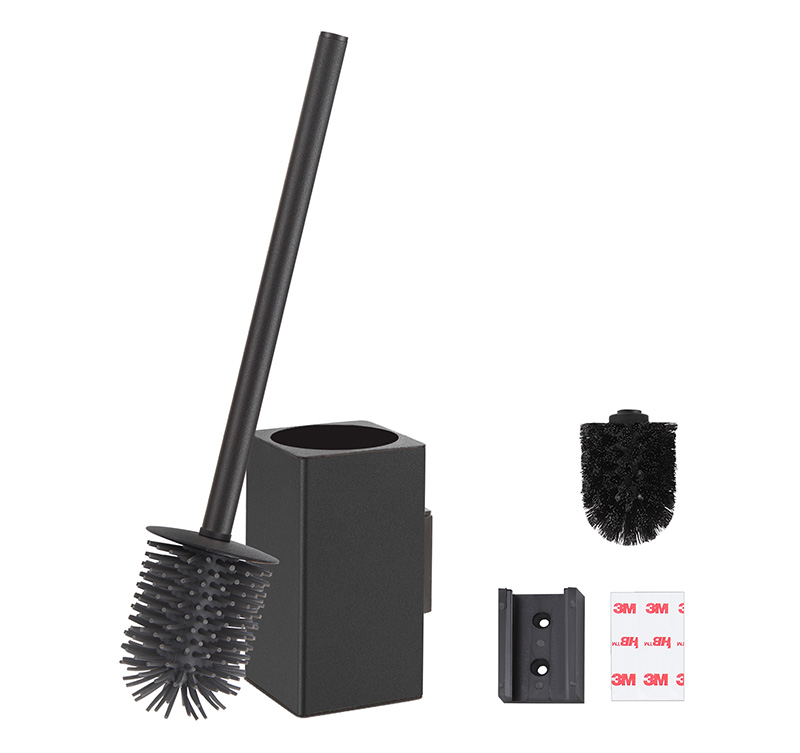
What brush head type cleans better and lasts longer?
The holder gets all the attention, but the brush head does the actual work. If the brush is ineffective, the holder doesn’t matter.
BGL offers two brush head types: traditional plastic bristles and silicone. Here’s how they compare:
-
Plastic bristles: These are the classic nylon-style bristles. They’re stiff enough to scrub stubborn stains and have some toughness to resist friction and damage while protecting the toilet surface. The downside? Traditional plastic bristles can trap debris, and over time, they may shed or become less effective. However, they’re preferred by price-conscious buyers who want a straightforward, no-fuss cleaning tool.
-
Silicone bristles: These are newer to the market. Silicone doesn’t absorb water or trap bacteria the way plastic bristles can. It’s also more durable—some manufacturers claim silicone is about 20% more durable than plastic, and it won’t scratch the toilet bowl. The main drawback? Some users report that silicone doesn’t scrub as aggressively as stiff plastic bristles, especially on baked-on stains.
Q: Which brush head is better for a commercial setting with daily use?
A: For heavy-duty cleaning, stick with high-quality plastic bristles. They scrub harder and handle frequent use without losing effectiveness. For residential or light commercial where aesthetics and hygiene are the priority, silicone is a strong contender—it’s easier to rinse clean and doesn’t trap odors.
How do you know if a holder will last in a commercial bathroom?
A $10 holder might look fine on day one. But after six months of daily cleaning with bleach sprays and abrasive wipes, the truth comes out. Here’s what to test before you buy in bulk.
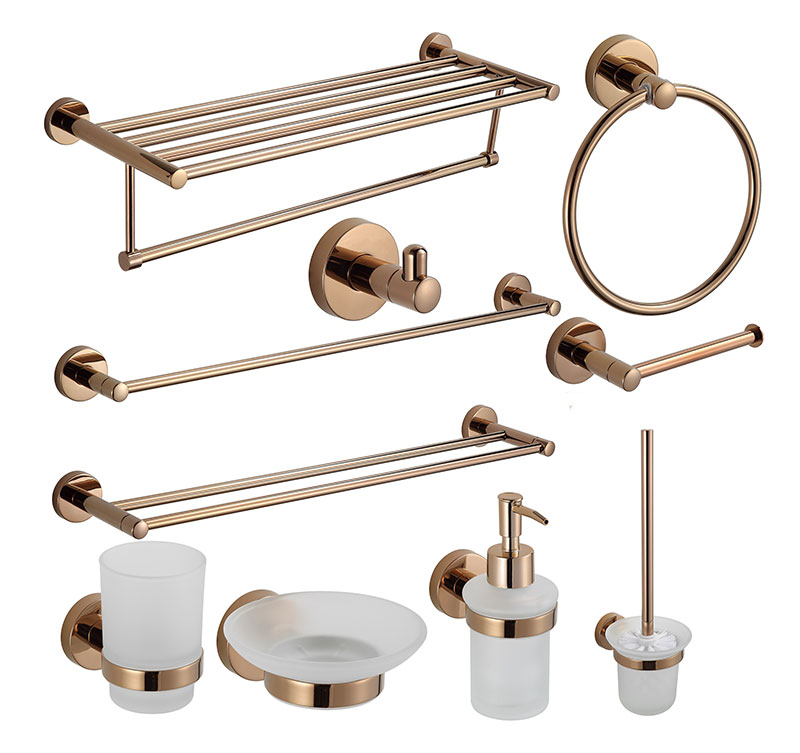
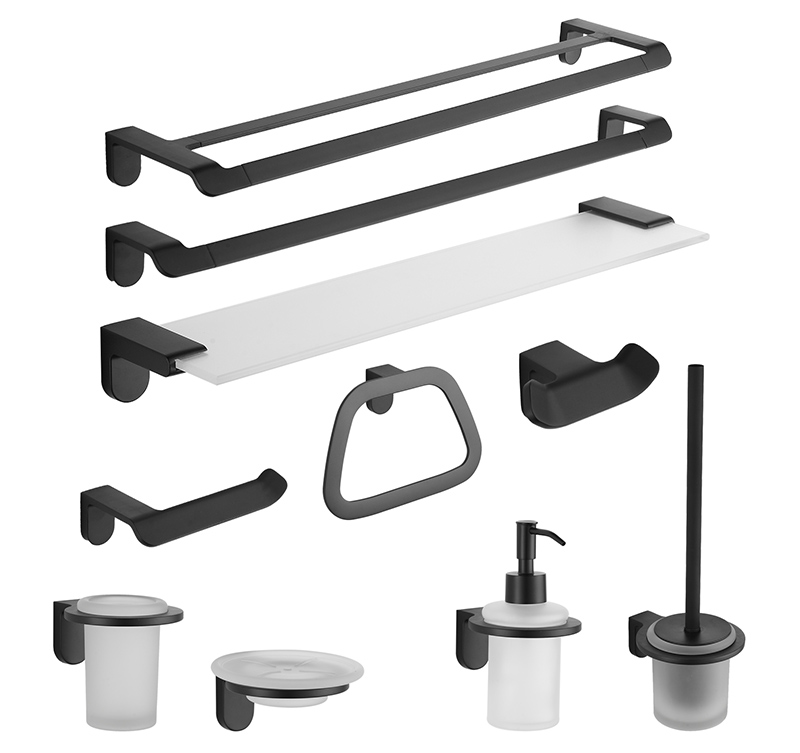
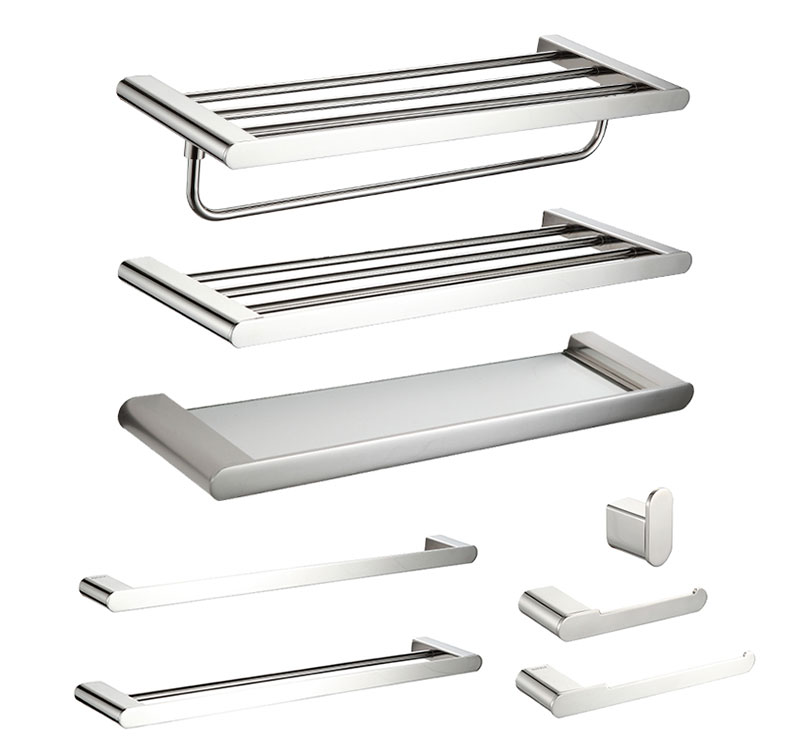
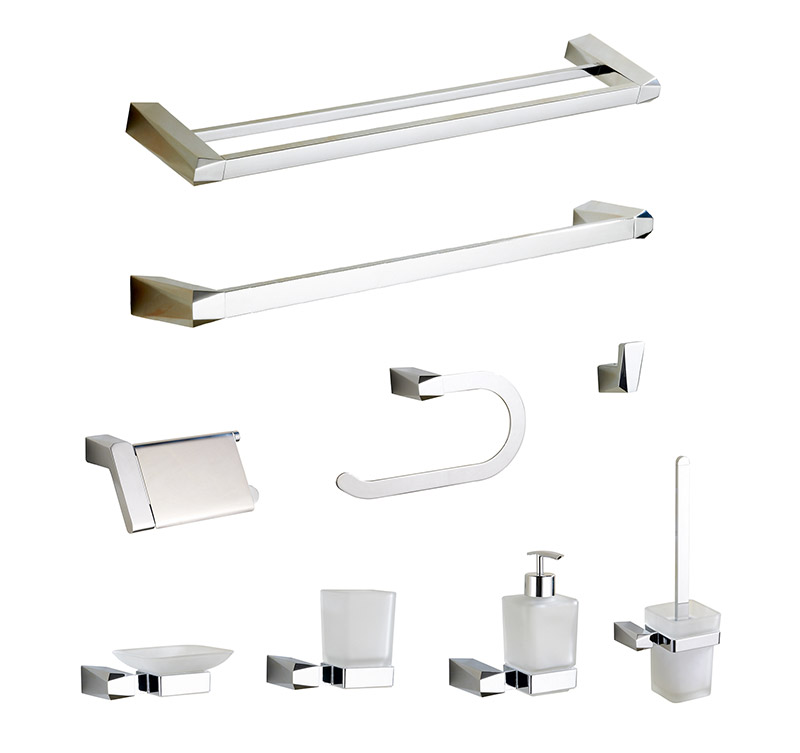
1. Material thickness and finish. A cheap stainless steel holder uses thin-gauge metal that dents easily. Pick it up. Does it feel substantial? For a wall-mounted unit, you want at least 0.8mm wall thickness. Chrome, brushed nickel, matte black, or gold finishes are available on request from manufacturers like BGL, so you can match the rest of the bathroom fixtures.
2. Brush head quality. Pull on the bristles. Do they stay firmly in the base, or do a few come out in your hand? In a commercial setting, loose bristles become floor debris that cleaning staff have to pick up.
3. Base ventilation. Turn the holder upside down. Are there holes or slots for air circulation? If not, the brush will stay wet and start to smell within weeks. The best designs have a ventilated base that allows water to evaporate and keeps the brush clean and odor-free.
4. Leak-proof verification. Fill the holder with water (without the brush inside) and set it on a paper towel. Wait an hour. If the towel is wet, the holder leaks. Reject it. Proper leak-proof design ensures water stays contained even when the brush is dripping wet.
5. Ease of installation. For wall-mounted units, check if the bracket allows for micro-adjustments after drilling. Once holes are in tile, you don’t get a second chance. Look for brackets with vertical or horizontal adjustment slots.
What’s the real-world lifespan in a hotel bathroom?
Let’s put numbers on it. These estimates assume daily cleaning with standard commercial bathroom cleaners and moderate humidity:
-
304 stainless steel holder with plastic bristle brush: 5–7 years. The metal won’t rust, and the brush head will need replacement every 2–3 years, but the holder itself keeps going.
-
201 stainless steel or space aluminum: 3–5 years. Fine for most settings, but expect some surface dulling over time.
-
Plastic holder with plastic bristle brush: 1–2 years. The holder may crack or discolor, and the brush bristles will soften or shed.
-
Silicone brush head (any holder material): Brush lasts 2–3 years. Silicone holds up well but doesn’t clean aggressively enough for some commercial applications.
Q: Can I replace just the brush head without buying a whole new set?
A: That depends on the manufacturer. Some designs use standard brush heads that are widely available. Others use proprietary sizing. BGL offers both plastic and silicone brush heads as replacement parts, so you’re not forced to buy an entirely new holder when the bristles wear out.
Summary – How to choose a toilet brush holder that truly simplifies your work
Here’s the bottom line. A toilet brush holder that’s easy to clean and install comes down to a few non-negotiable features.
For commercial bathrooms—hotels, office buildings, gyms—choose 304 stainless steel with a wall-mounted, leak-proof design. The material resists chemicals and humidity. The wall mount keeps floors clear and eliminates water pooling around the base. And leak-proof construction prevents costly water damage claims. Budget brands will fail within two years. Quality stainless steel lasts five-plus.
For residential or low-traffic bathrooms, a floor-standing ceramic or metal-with-glass holder adds style without breaking the bank. Just make sure it has ventilation and a removable drip tray. Plastic is fine for a guest bathroom that gets used once a week, but don’t put it in a primary bath that sees daily use.
Before you place a bulk order, get a sample. Run the water-leak test. Check the bristle retention. Verify the wall bracket has adjustment slots. A few minutes of testing now saves you from fielding complaints and processing returns next year.
Looking for a toilet brush holder that’s genuinely easy to clean and install? Contact BGL for a quote on their Wall-Mounted Toilet Brush Holder Set with leak-proof design. Share your bathroom layout, material preference (stainless steel, aluminum, or metal with glass), and desired finish (chrome, matte black, brushed nickel, gold, or ORB). Their team can recommend the right model for your project volume and help with bulk pricing.