English
 Español
 Français
 Pусский
 ربى
ربى 
You're specifying hooks for a new building, a renovation, or a replacement order. The finish matters, sure—but the real question is: how much weight does this thing actually need to hold?
A basic hooks product might look sturdy, but looks can be deceiving. A decorative single hook in a private bathroom serves a completely different function than a heavy-duty double hook in a gym locker room. One holds a lightweight bathrobe; the other holds a wet towel, a gym bag, and a winter coat—plus the occasional tug from someone in a hurry.
The consequences of getting this wrong range from annoying (a hook pulls out of the wall) to dangerous (a patient falls because they leaned on a hook that wasn't rated for that load). So let's get specific: how much capacity does each space actually need?
We'll walk through five common facility types—offices, schools, gyms, hospitals, and transit hubs—and give you minimum recommendations for each. We'll also cover how to read a hook's load rating and what material choices mean for durability.
Office Washrooms – Coats, Bags, and Daily Use
Let's start with the most common scenario: the standard office washroom.
Typical Load and Recommended Rating
In an office setting, a wall hook typically holds a winter coat and a small bag—maybe a laptop bag or a handbag. The total load usually stays under 5kg. A 10kg (22lbs) rated hook provides a comfortable safety margin without being over-engineered.
Hook Style and Mounting
For most office washrooms, a single-post hook with two screws is sufficient. The key is proper mounting into the wall substrate—drywall anchors or stud mounting, depending on the wall type. The hook itself doesn't need to be heavy-duty, but the mounting hardware needs to match the wall.
School Restrooms – Backpacks and Student Abuse
Schools are a different animal entirely. Anyone who's spent time around students knows that hooks get used hard.
Load Requirements and Safety Factor
The typical load in a school restroom is a backpack weighing 5-8kg. But here's the thing—students don't hang their backpacks gently. They swing them, yank them, and sometimes multiple students grab the same hook at once. The recommended minimum rating is 15kg (33lbs), and that comes with a safety factor. Many facility managers apply a 2x multiplier because students will tug simultaneously.
Preferred Mounting Style
A concealed mounting plate is preferred for school restrooms. This design hides the screws behind the hook body, which serves two purposes: it looks cleaner, and it prevents students from tampering with the mounting hardware. Vandalism is a real concern in public school facilities.
Gym Locker Rooms – Sweat, Chlorine, and Heavy Bags
Gym environments combine heavy loads with harsh conditions. The hooks here need to do more than just hold weight.
Load Demands
Typical loads in a gym locker room include a wet towel, a gym bag, and a heavy winter coat. That adds up to roughly 12kg. The recommended minimum rating is 20kg (44lbs) to provide adequate safety margin.
Corrosion Resistance Is Non-Negotiable
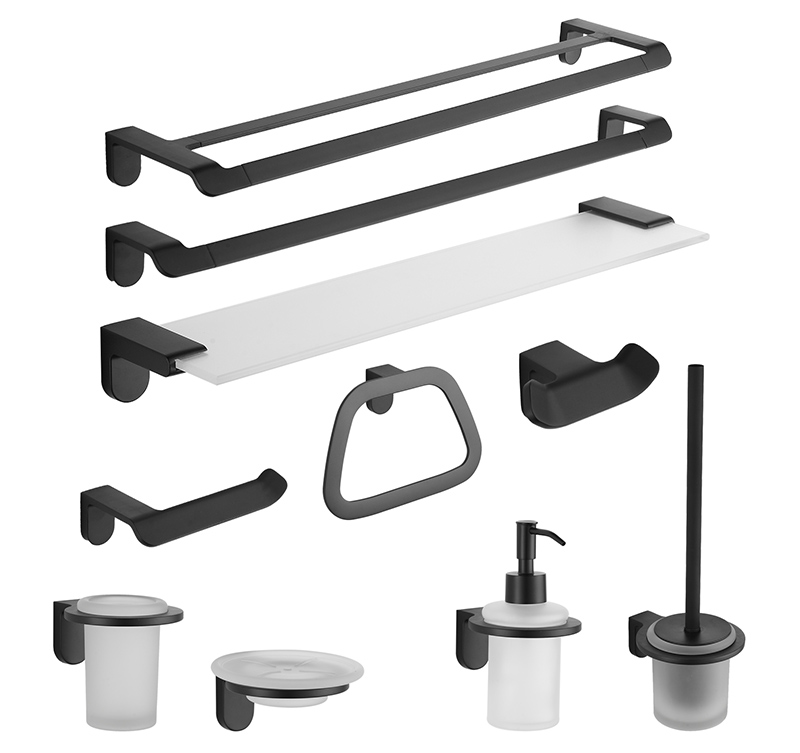
This is where material choice becomes critical. Gyms are humid environments with sweat and chlorine from pools. A hook that isn't corrosion-resistant will fail long before its load rating becomes an issue. Stainless steel is the standard choice here—it resists rust and handles repeated exposure to moisture. For higher-end installations, a black PVD finish offers additional protection and a modern look. A concealed mounting plate is also recommended, for both aesthetics and security.
Hospital Patient Room Bathrooms – The Highest Standard
Hospital bathrooms have the most demanding requirements, and for good reason.
Patient Safety and Load Capacity
In a patient room bathroom, the hook might hold more than just a robe. Patients often use wall-mounted hardware for support while standing up. A medical bag, assistive devices, and patient belongings can total 15-25kg. The recommended minimum rating is 50kg (110lbs), and that rating should be based on static load testing at 4x the rated capacity.
Heavy-Duty Hardware Requirements
The hook itself needs a wide backplate that distributes the load across the wall surface. Through-bolt mounting into structural framing is strongly preferred over drywall anchors. The design should eliminate sharp edges and protrusions that could catch clothing or injure someone. In medical settings, safety and reliability outweigh cost considerations.
Transit Hub Restrooms – Heavy Volume, Heavy Loads
Bus stations, train stations, and airport restrooms see constant traffic and heavy bags.
Load Demands and Capacity
Transit hub restrooms handle large backpacks, suitcases, and shopping bags. The typical load can reach 20kg. The recommended minimum rating is 25kg (55lbs), with a focus on durability.
Vandal-Resistant Features
Vandalism is a significant concern in public transit facilities. Vandal-resistant screws that require special tools to remove are strongly recommended. The hook itself should be solid cast stainless steel—not hollow, not plated—to withstand both heavy loads and intentional abuse. Security is a key factor in these public-facing installations.
How to Read a Hook's Load Rating Label
Load ratings can be confusing. Here's what you actually need to know.
Working Load Limit vs. Breaking Strength
Always look for "working load limit" or "safe working load." This is the maximum weight the hook is designed to handle in normal use. Breaking strength is much higher—it's the point where the hook physically fails. An example: "Max load 50lbs – tested to 200lbs" means the safe working load is 50lbs, even though the hook broke at 200lbs. Don't confuse the two numbers.
Certification Marks and Standards
Look for certification marks like ASTM E2127 or EN 14468, which indicate compliance with recognized industry standards. These marks provide a level of assurance that the manufacturer has tested the product to meet specific performance criteria. If a hook doesn't have third-party certification, treat the claimed rating with skepticism.
Material vs. Capacity
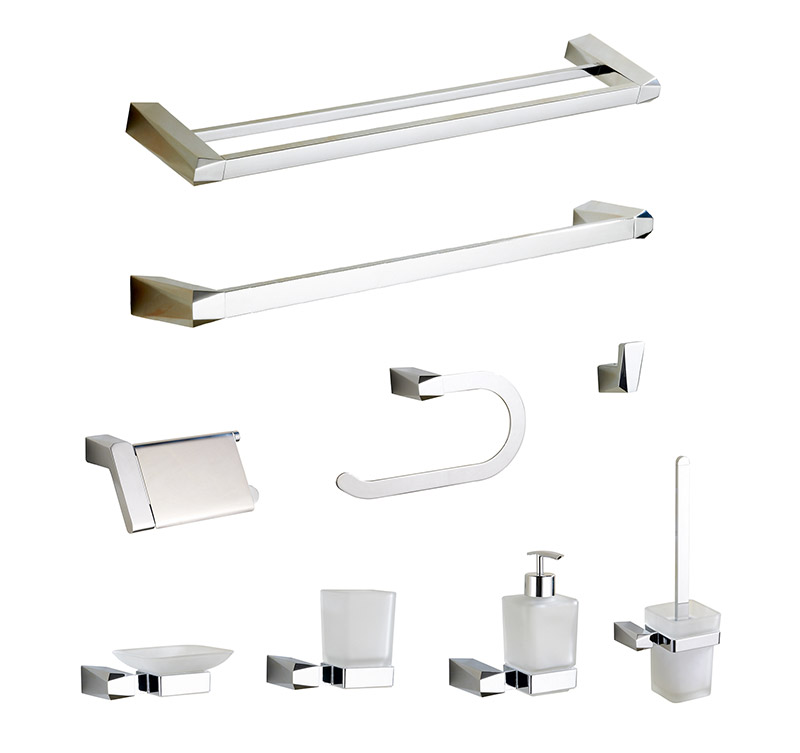
A hook's capacity depends on the base metal thickness and design—not the finish. Black hooks don't have lower capacity than chrome hooks; the finish is cosmetic. The structural elements determine the load rating.
The Material Factor – Which Hook for Which Job?
Material choice affects both load capacity and long-term durability.
Stainless Steel – The Workhorse
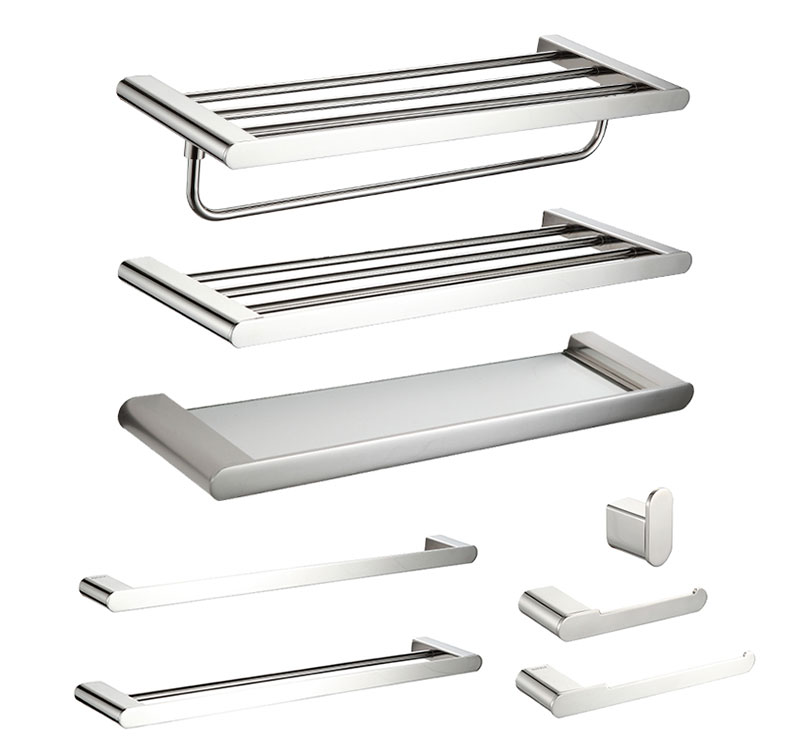
Stainless steel is the most common material for commercial hooks. It's rust-free, highly durable, and ideal for long-term use. For wet environments like gyms and hospitals, stainless steel is the standard.
Copper – Premium But Priced Higher
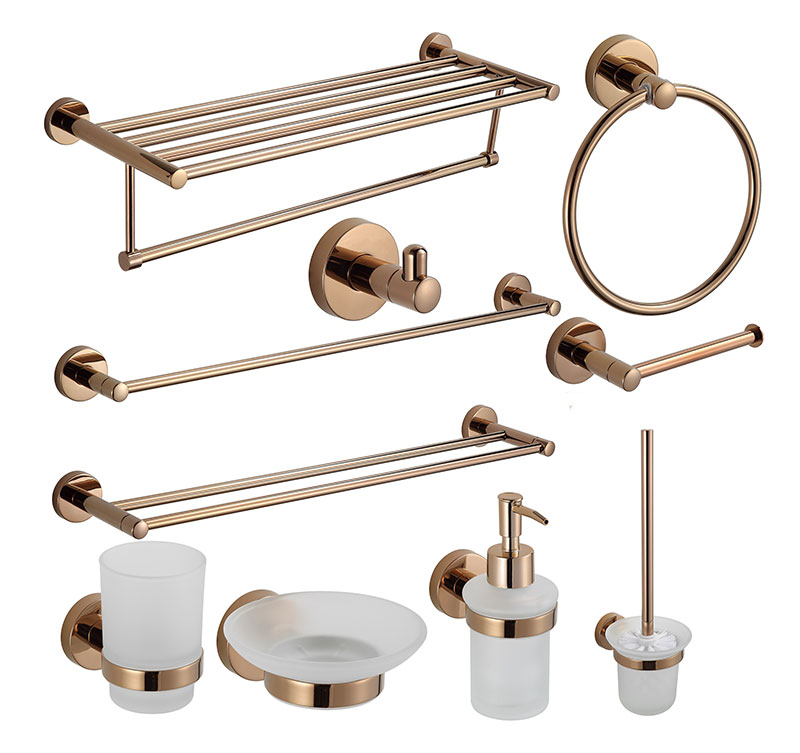
Copper hooks offer a stylish, colorful appearance with thick, durable construction. They're corrosion-resistant and look premium. The downside is cost—copper is significantly more expensive than other options.
Aluminum and Zinc Alloys – Balancing Cost and Performance
Aluminum alloy hooks are lightweight and inexpensive, making them a cost-effective option for light-duty applications. Zinc alloy hooks sit in the middle: cheaper than copper and stainless steel but more durable than aluminum. Neither is ideal for heavy-duty public facilities, but both work for residential or light commercial use.
| Material | Durability | Corrosion Resistance | Cost | Best For |
|---|---|---|---|---|
| Copper | High | Excellent | High | Premium residential, decorative |
| Stainless Steel | High | Excellent | Medium-High | Commercial, wet areas, high-traffic |
| Zinc Alloy | Medium | Good | Medium | Light commercial, residential |
| Aluminum Alloy | Low-Medium | Fair | Low | Budget residential, light-duty |
Questions You Might Have
Can I exceed the rated capacity by using stronger wall anchors?
No—the hook itself will bend or fail. The rating assumes proper anchors for the wall type. Stronger anchors don't make the hook stronger. The weakest link determines the overall capacity.
Do black hooks have lower capacity than chrome hooks?
No—capacity depends on base metal thickness and design, not the finish. A black PVD coating is purely cosmetic and doesn't affect the hook's structural strength.
What is the legal minimum for public schools in the US?
Many state building codes require a minimum of 25lbs (11.3kg) for accessible restrooms. However, specifying 15kg (33lbs) or higher provides a better safety margin for actual usage conditions.
What BAOGELI Offers for Commercial Hook Needs
By now you've got a clear picture of the load requirements for different facilities. Let's talk about who makes hooks that meet these standards.
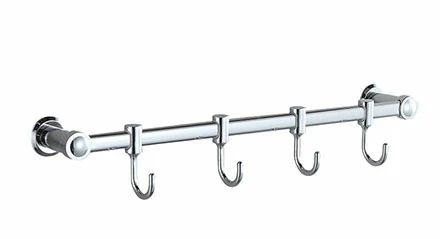
BAOGELI is a manufacturer that has been serving the wall hook market with a focus on diverse hook types and material quality. Their basic hooks product line includes a wide range of options: robe hooks, towel hooks, fabric hooks, coat hooks, and wall hooks. They offer flexible hook counts—single hooks, double slots, and multi-hook racks with 3-6 hooks.
The company's product range covers four main material categories: stainless steel, aluminum alloy, zinc alloy, and copper. This variety allows facility managers to match the hook material to the specific environment—stainless steel for wet areas and high-traffic facilities, zinc alloy for general commercial use, and copper for premium decorative applications.
One area where BAOGELI stands out is their range of options. Whether you need a simple single hook for an office washroom or a multi-hook rack for a school entryway, the product line covers the bases. The stainless steel options are particularly relevant for gyms and hospitals, where corrosion resistance and load capacity are equally important.
If you're specifying hooks for a facility, the key steps are simple: identify the environment (wet or dry), estimate the maximum load, and choose a material and style that fits the space. The right hook for the job—properly rated and properly mounted—will last for years without issues.
Ready to specify the right hooks for your facility? Reach out to BAOGELI's team with your space requirements and load needs—they can help you select the right configuration for each area.